

Finding out your home has a termite history right before selling can feel like the ground has shifted beneath you. The repair estimates, the buyer reactions, and the disclosure forms all land at once, and it is a lot to process. But termite history is not the end of your sale. Thousands of homes with termite history sell every year, and how you handle the situation matters far more than the history itself.
This guide is written specifically for homeowners in TX, including Euless, who are selling a house with a termite history. We are going to walk through what termite history actually means for your sale, what Texas law requires you to disclose, and what your real options are, whether you want to repair, list as-is, or sell fast for cash. If your home has other repair issues alongside termite damage, our guide on what are the best ways to sell a house that needs repairs is a good place to start.
What Counts as Termite History in a House?
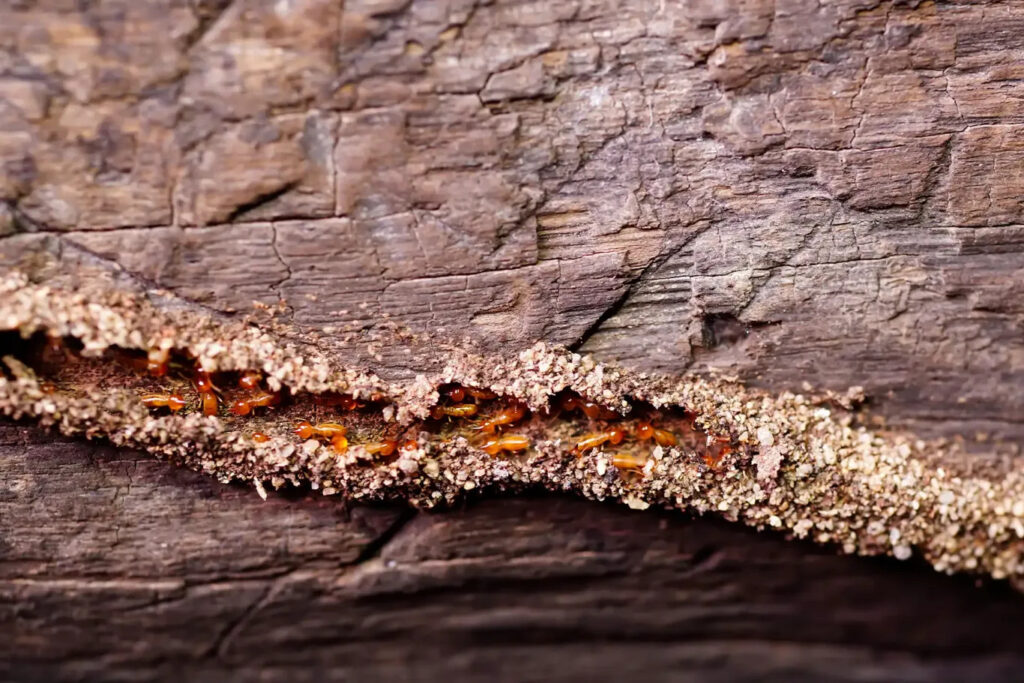
It is important to know what ‘termite history’ means before selling a house with a termite history. Most homeowners hear the word and assume the worst. The reality is that termite history covers three very different situations, and lumping them together is where the panic starts. Each one affects your sales differently.
- Active Infestation: It means termites are currently present in the home and doing damage right now. This is the most serious situation. Active termites will show up on a Wood Destroying Insect report, and most lenders, especially those handling FHA and VA loans, will not approve financing until the infestation is treated and cleared. Traditional buyers will almost always walk away or demand treatment before proceeding.
- Treated History With No Structural Damage: It means the home had termites at some point, treatment was completed, and there is documented proof of that treatment. This is far less serious than most homeowners realize. A clean treatment record with no remaining structural damage is something buyers and their agents deal with regularly in North Texas. It requires disclosure, but it does not automatically kill your sale.
- Termite-Caused Structural Damage: It means past or current termite activity has compromised wood framing, subflooring, walls, or other structural components. This is the situation that most significantly affects your sale price and your buyer pool, because it moves beyond a pest issue into a structural one. The extent of the damage determines how much it impacts your options.
Do You Have to Disclose Termites When Selling a House in Texas?
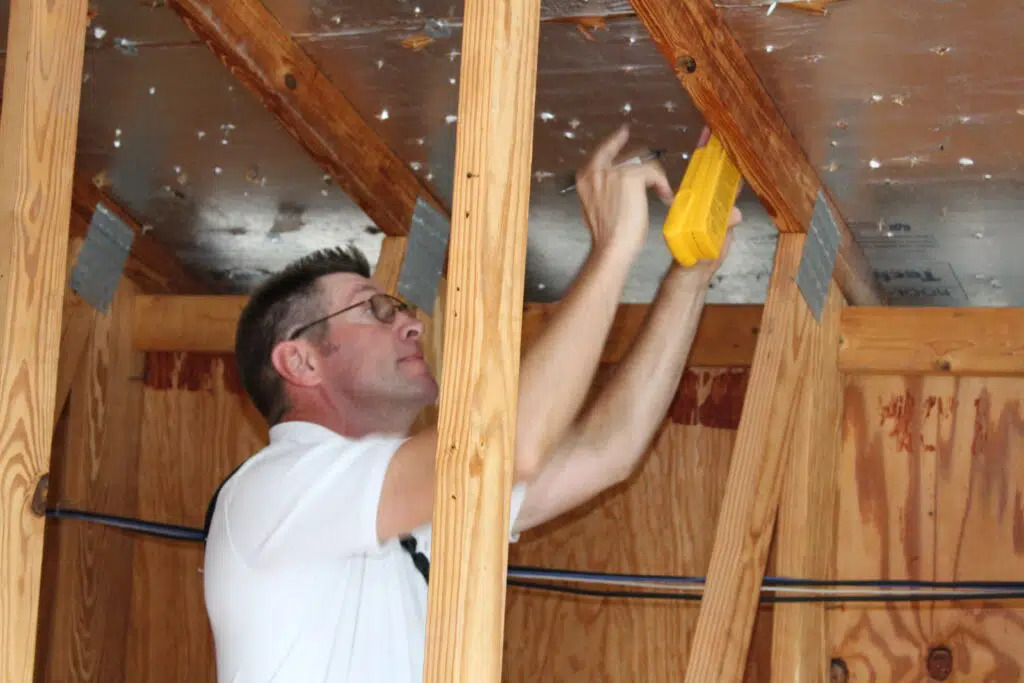
Yes, and the answer is not just yes, it is a firm legal requirement with real consequences if you ignore it. Texas Property Code requires sellers to complete a Seller’s Disclosure Notice before closing. This form asks directly about wood-destroying insects, past infestations, and any known damage. Whether the infestation was treated ten years ago or last month, if you know about it, it goes on the disclosure.
The Texas Deceptive Trade Practices Act allows buyers to sue for triple damages if they can prove a seller deliberately concealed a known defect. Termite history that was hidden and later discovered gives a buyer serious legal grounds to pursue you after closing. The financial exposure from concealment is almost always worse than the negotiation hit from disclosing upfront. Over-disclosing actually works in your favor. Buyers who know what they are getting into upfront are far less likely to back out after inspection. Surprises kill deals. Transparency keeps them alive.
How Much Does Termite History Affect Your Home's Value in Euless?
Treated and documented termite history with zero structural damage has minimal impact on the sale price in most cases. Buyers in the DFW market are not strangers to termite history; Texas is one of the most termite-active regions in the entire country. Subterranean termites thrive in the warm, moist soil conditions common across Tarrant County, and experienced buyers and agents here know that termite history on a disclosure form is not unusual.
Active termites or selling a house with termite damage that has gone structural is a different story. Depending on severity, you can expect a 20 to 40% reduction in what buyers are willing to offer compared to an undamaged property. Lenders financing FHA or VA loans will not move forward until treatment and repairs are completed, which limits your buyer pool to cash buyers and investors if the damage is active or severe.
Is It Worth Repairing Termite Damage Before Selling?
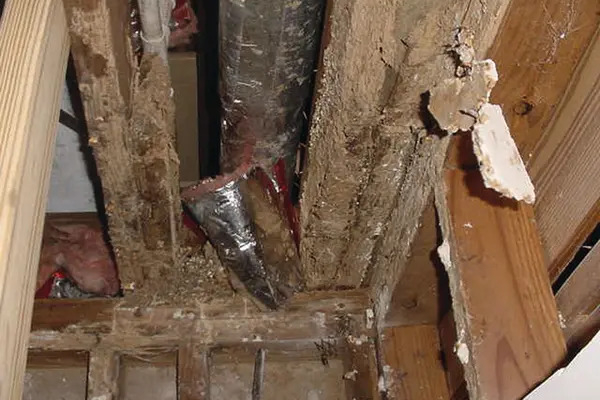
The answer depends on what the repairs actually cost versus what you realistically gain at closing. Termite treatment for an active infestation in North Texas typically runs between $500 and $2,500, depending on the method and the size of the home. That cost is almost always worth paying because it reopens your sale to buyers using FHA and VA financing, which is a significant portion of the buyer pool in Euless. Structural repairs are a different calculation. Wood framing replacement, subfloor repairs, and any work that touches load-bearing components can run from several thousand to tens of thousands of dollars, depending on how far the damage has spread. If the structural repairs are extensive, the cost often does not come back in the final sale price. Our guide on selling a house with foundation repair issues in Euless explains how to think through this kind of repair-versus-sell decision in more detail.
The Termite Bond: Your Most Underused Selling Tool
A termite bond is an ongoing service agreement between a licensed pest control company and a homeowner. It covers regular inspections, retreatment if termites return, and, in some cases, repair costs for any new damage. What makes it valuable when selling is that many termite bonds in Texas are transferable to the new owner.
Offering to transfer an active termite bond to the buyer costs you little but changes the conversation at the negotiating table significantly. Instead of a buyer seeing termite history as a liability, they see ongoing protection already in place. It removes uncertainty, which is what buyers and their agents are really paying attention to. If you do not have a termite bond, getting one before listing typically costs $200 to $500 per year from a licensed Texas pest control company is one of the most cost-effective steps you can take before putting the home on the market.
Can You Sell a House With Termite Damage As-Is in Euless?

Yes, you can sell a house with termites or termite damage as-is. You can consider selling to a cash home buyer who can buy your house without any fixes. You can also list your house in the open market, in whatever condition it is, or just try pricing it below the market value to attract serious buyers to your house.
Here is the breakdown of the ways to do it:
1. Sell to a Cash Buyer As-Is
Cash buyers purchase homes with termite history and termite damage regularly. They do not need lender approval, they already factor repair costs into their offer, and they are not going to back out because a WDI report comes back with findings. This is the fastest path to closing for homeowners who do not want to deal with treatment, repairs, or drawn-out negotiations. Euless Local buys homes with termite history across Euless, TX, and can provide a no-obligation cash offer within 24 hours. Check out our guide to the 5 best cash home buyers in Euless, TX, if you want to explore your local options.
2. List As-Is on the Open Market
You can list the home in its current condition, disclose the termite history fully, and let buyers make offers accordingly. This works best when the damage is minor or fully treated and documented. Your buyer pool will be smaller since FHA and VA buyers may be limited, depending on what the WDI report shows, but investors and cash buyers actively search for as-is listings in the DFW market.
3. Price It Below Market Value to Attract Investors
If you want to move the home faster without making repairs, pricing it to reflect the termite history from the start brings in serious buyers quickly. Investors and flippers in the Euless area expect a discount on homes with known issues, and starting at a realistic number avoids the back and forth of repeated price drops. Our guide on how to determine the right price to sell your house can help you figure out where to start.
What to Expect When Selling a House With Termite History in Euless
When the termite issues come up, buyers typically ask for a price reduction, repair credit, proof of treatment, or a transferable bond. Documented treatment gives you room to push back. Disclose early, have your paperwork ready, and you remove the biggest deal-killer before it starts.
- Price reductions and repair credits: They are the most common asks. Buyers want either a lower price or cash back at closing to cover treatment and repair costs.
- Proof of completed treatment: It is non-negotiable for most buyers. If you have documentation, have it ready before anyone asks.
- A transferable termite bond: It is often the ask that closes the gap. Buyers feel safer knowing a licensed company stands behind the property going forward.
- Sellers can push back on repair credits: If treatment is already completed and documented, the seller can push back on repair credits. What sellers almost never win is a buyer agreeing to ignore active termites or visible structural damage without some form of concession.
- Where deals fall apart is when the WDI report surprises a buyer who had no idea. A buyer who already knows the termite history and has seen the treatment records is a far more stable buyer than one who finds out at inspection. Disclose upfront, have your documents ready, and you eliminate the biggest deal-killer in this whole process.
For sellers who want to skip all of this entirely, reach out to a cash buyer, get an offer within 24 hours, pick your closing date, and close without repairs, negotiations, or lender delays. This guide walks through exactly what that looks like from start to finish.
Conclusion
Selling a house with termite history in Euless is manageable when you understand what you are actually dealing with. The difference between treated history and active damage is significant, and knowing which situation applies to your home changes everything about your approach. Disclose fully, get your documentation in order, and choose the selling path that fits your timeline and budget.
If repairs do not make financial sense or you simply want to move on without the hassle, selling as-is to a cash buyer removes almost every obstacle from the process. Euless homeowners deal with termite history more often than most people realize, and many of them have sold successfully without spending a dollar on repairs first.
You do not have to treat it, repair it, or figure it all out before moving on. Euless Local buys houses with termite history as-is across Euless, TX, with no repairs, no commissions, and no stress. Call us at 817-305-8555 or get your free cash offer today.
FAQs
Can you sell a house with termites?
Yes, you can sell a house with termite damage, but you must disclose the infestation. Cash buyers and investors purchase homes with termite history regularly and do not require treatment before closing.
Do you have to disclose termites when selling a house in Texas?
Yes. Texas law requires sellers to disclose known wood-destroying insect activity through the Seller’s Disclosure Notice. Failing to disclose known termite history can expose you to legal action under the Texas Deceptive Trade Practices Act, including triple damages.
Who pays for a termite inspection when selling a house?
In Texas, the buyer typically pays for the WDI inspection as part of their due diligence. However, sellers can order one before listing to get ahead of any findings and have documentation ready. Having a clean or treated report upfront can prevent surprises that derail deals later.
Is it worth repairing termite damage before selling?
It depends on the cost versus the return. Treating an active infestation is almost always worth it because it reopens your sale to FHA and VA buyers. Structural repairs are a bigger calculation; if the cost does not come back in the sale price, selling as-is to a cash buyer is usually the smarter financial move.
© 2026 Euless Local. All rights reserved. Privacy Policy | Terms & Conditions
Subscribe To Our Weekly Newsletter
Get expert tips, market insights, and updates on the Euless housing market